If the federal government shutdown continues, Supplemental Nutrition Assistance Program (SNAP) benefits in Washington will end on Oct. 31, 2025. DSHS has more information about the impacts as well as what clients can do to prepare for the loss of benefits.
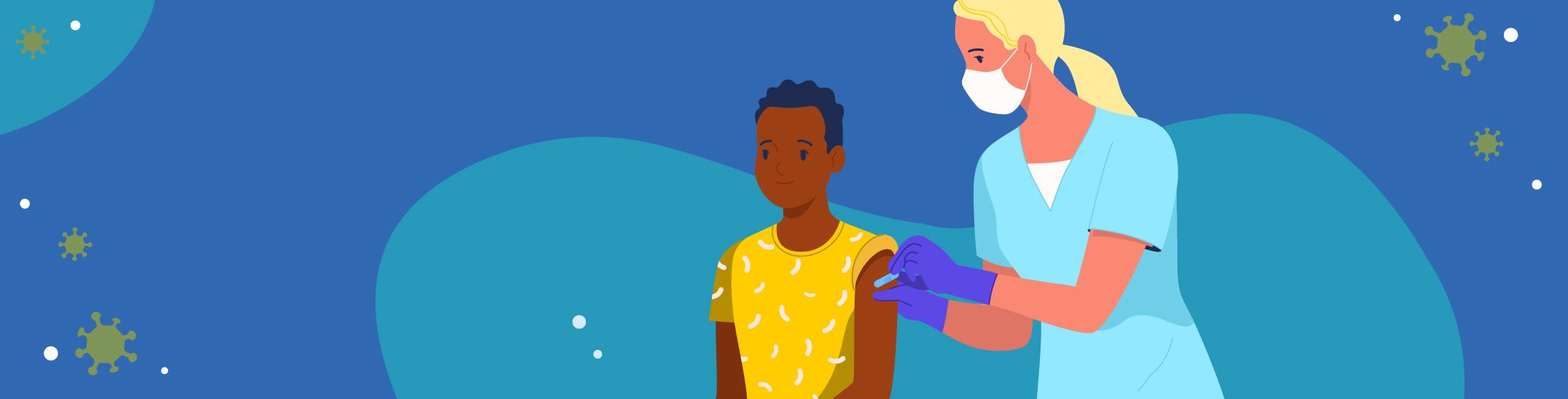
Protect Your Family From COVID-19
Updated vaccines are available for everyone 6 months and older.
Please stay patient and diligent as new COVID-19 vaccines continue to arrive in Washington. We are monitoring access and working on solutions.
Learn More


Teen Health Hub WA
Young people have questions about their health. Visit Teen Health Hub WA to find answers and more.
Learn More
Opioid Information
Opioids such as prescription pain medication, heroin, and fentanyl are causing a serious public health and community crisis across the nation.
Learn Morebreadcrumb
Find it Fast
Health Care
Provider Lookup
Search for a health care provider or their credentials.
Flu Information
Find out how to protect against flu, including vaccination.
Food Worker Cards
Get your food worker card or information on the required exam.
Professional
Licensing A-Z
Renew, update, or get a new professional license.
Vital Records
Find information about birth, death and marriage certificates.
File a Complaint
File a complaint about a medical provider, facility, or another public health issue.
Immunizations
Get information and make an educated choice about immunizations for your family.
Shellfish Safety Map
Check for beach closures and advisories before you harvest.
Business Opportunities
See contracts for bid, forecasting data, and learn how to do business with us.
COVID-19 Information
Still Have Questions?
Call our information line:
1-800-525-0127
Language assistance is available!
Care-a-Van Events
Care-a-Van is a Washington State Department of Health mobile program that brings essential health and wellness services directly to communities across the state. We partner with local organizations to offer free screenings, health education, and connections to resources, reducing barriers to care. Our goal is to meet people where they are, strengthen community partnerships, and ensure everyone has access to quality health services.
See All Events and RegisterNovember 01
Rehoboth Baptist Church Community Health & Wellness Fair
Time
to
Place3415 Auburn Way S, Suite 202
Auburn, WA 98092
Auburn, WA 98092
November 01
Korean Women's Association 1st Annual KWA Community Expo
Time
to
Place4500 Steilacoom Blvd SW, Building 23
Lakewood, WA 98499
Lakewood, WA 98499
November 04
Helping Hands Food Bank
Time
to
Place941 Pettit St
Hamilton , WA 98255
Hamilton , WA 98255
November 06
Nourish Pierce County Food Banks Food Banks for Healthier Futures
Time
to
Place3607 122nd Ave E, Suite B
Edgewood, WA 98372
Edgewood, WA 98372
Transformational Plan:
A Vision for Health in Washington State
News Releases
DOH Reach and Impact
80803
new practitioners licensed
166135
water samples evaluated for contaminants
160000
newborn blood samples tested for congenital disorders (approximately)
86%
kindergartners immunized per current standards
306108
birth certificates issued
223888
women and children received WIC nutritional and breastfeeding support
Data as of 2019.